
In this course, you’ll discover how to transform these household “wastes” into powerful, eco-friendly soap for laundry and cleaning. This traditional soap is highly effective, free of harsh chemicals, and provides a simple, natural solution for keeping your home clean. Best of all, making curd soap allows you to save money by replacing costly detergents and store-bought soaps with your own sustainable, homemade alternatives.
Lead the way in your community as the zero-waste and soapmaking enthusiast who inspires your neighbors by showing them how to use curd soap from waste oils!
Join us to learn every step of the process and turn what would be waste into a valuable resource, making a lasting impact on both your wallet and the environment.
By repurposing used oils, they gain a practical skill for sustainable living while reducing dependence on commercial toxic products.
2.5 kg of waste oil or leftover soap scraps (non-waste oils like coconut oil or lard also work)
500 grams of sodium hydroxide – A potent chemical; be sure to review the section on safe handling of NaOH.
5 liters of water, best rainwater or distilled water
1 - 2 kg of salt
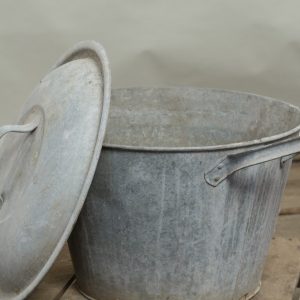
Stainless steel or galvanized pot (30 liters)- Essential for soap making. Do not use aluminium pots, and reserve this pot exclusively for soap making..
Large wooden spoon
Simple molds- Traditional wooden molds work well, or you can repurpose containers like milk or juice cartons.
Cloths for lining the mold bottom
(Optional but helpful) Hand blender
Gas, electric, or fire-powered heat source
Gram scale
In this course, you’ll discover everything you need to know to master the traditional craft of making curd soap from waste oils. Whether you’re a beginner or already making soap, this course will enhance your skills and provide valuable, eco-friendly solutions for laundry and cleaning.
The key differences between salting out soap and cold-process soap making – Understand the unique characteristics and benefits of curd soap compared to cold-process soap.
Essential safety precautions – Learn how to handle caustic materials like sodium hydroxide safely and avoid common mistakes.
The complete process of making curd soap – We’ll break down the process into three key stages, ensuring you understand every step in detail.
Common mistakes in the salting out process – Learn how to avoid common pitfalls and ensure your soap comes out perfectly every time.
Which waste oils are best for the soap-making process – Discover the most effective oils to use and how to maximize their cleaning power.
How to make soap from leftover soaps – Learn how to recycle your old soap scraps into fresh, usable soap bars.
How to make soap from coconut oil – Create rich, lathering soap with coconut oil and learn its unique properties. Cleansing hero
How to make soap from lard – A traditional method for creating durable and effective soap from animal fat. Mostly used in tradicional remedies like dandruff or for ulcers
How to make soap from mixed household waste oils – Repurpose oils from your kitchen into soap that works effectively and sustainably.
How to make a homemade laundry detergent with soap – Say goodbye to store-bought detergents with a simple, eco-friendly soap-based detergent that won’t leave precipitated grayness or soap scum, and cleans clothes efficiently.
Alternative laundry washing methods – Explore other natural, zero-waste solutions for doing laundry without harsh chemicals.
By the end of this course, you’ll be empowered to make your own curd soap from waste oils, turn scraps into soap, and create sustainable laundry detergents—all while minimizing your environmental footprint. Join now and take the first step toward mastering a timeless, eco-friendly craft!
The Curd Soap Making Online Course runs for two months, from March 1, 2025, to May 1, 2025. This gives you ample time to dive deep into the traditional craft of soap making at your own pace while still receiving guided support every step of the way.
You’ll begin by exploring the course materials, including instructional videos and detailed guides on Tinkific. During this time, you’ll also gather the necessary raw materials for soap making, setting you up for success.

After the initial first week, we’ll meet every Saturday via Zoom. We’re based in Central Europe! Here’s what that means for you:
📅 Our live event starts at 8 PM CET (Central European Time).
🕒 That’s 2 PM in New York and 11 AM in Los Angeles.
🌐 Not sure about your time? Use this time zone converter here.
I’ll demonstrate the next steps and tasks. You’ll also have the opportunity to ask any questions you’ve accumulated, and I’ll provide detailed answers and troubleshooting tips.

If you can’t make a live Zoom call, you’ll receive the recording within the next two days, ensuring you never miss any crucial lessons.
Step back to simpler times and discover the true power of a handcrafted heritage. Embrace the lost craft of curd soap—a natural, effective, and sustainable solution for your everyday cleaning needs.
The course fee is 297 EUR, but if you sign up by February 1, 2025, you can secure your spot for only 197 EUR.
This course offers the perfect balance of self-paced learning and live support, so you can confidently master the art of curd soap making while receiving personalized guidance throughout the journey. Join us and start creating eco-friendly, homemade soap while mastering an ancient craft that’s both practical and sustainable! Zoom videocalls will be held every saturday
After signing up, we’ll send you an email with confirmation of your purchase, links to the learning material and other information. Fell free to respond if you have any additional questions.
the founder of RVSTICA, a brand dedicated to creating soap and skincare products with olive leaf since 2012. I am deeply passionate about zero waste living and the art of soap making. Over the years, I’ve combined my love for sustainable practices with my expertise in traditional soap-making techniques, and I’m excited to share my knowledge with you.